Selling online
Facebook Live Selling Thai Products: A Starter Guide for PH
Facebook live selling Thai products has become one of the easiest ways to start a small negosyo in the Philippines — low setup cost, instant feedback, and buyers already curious ab
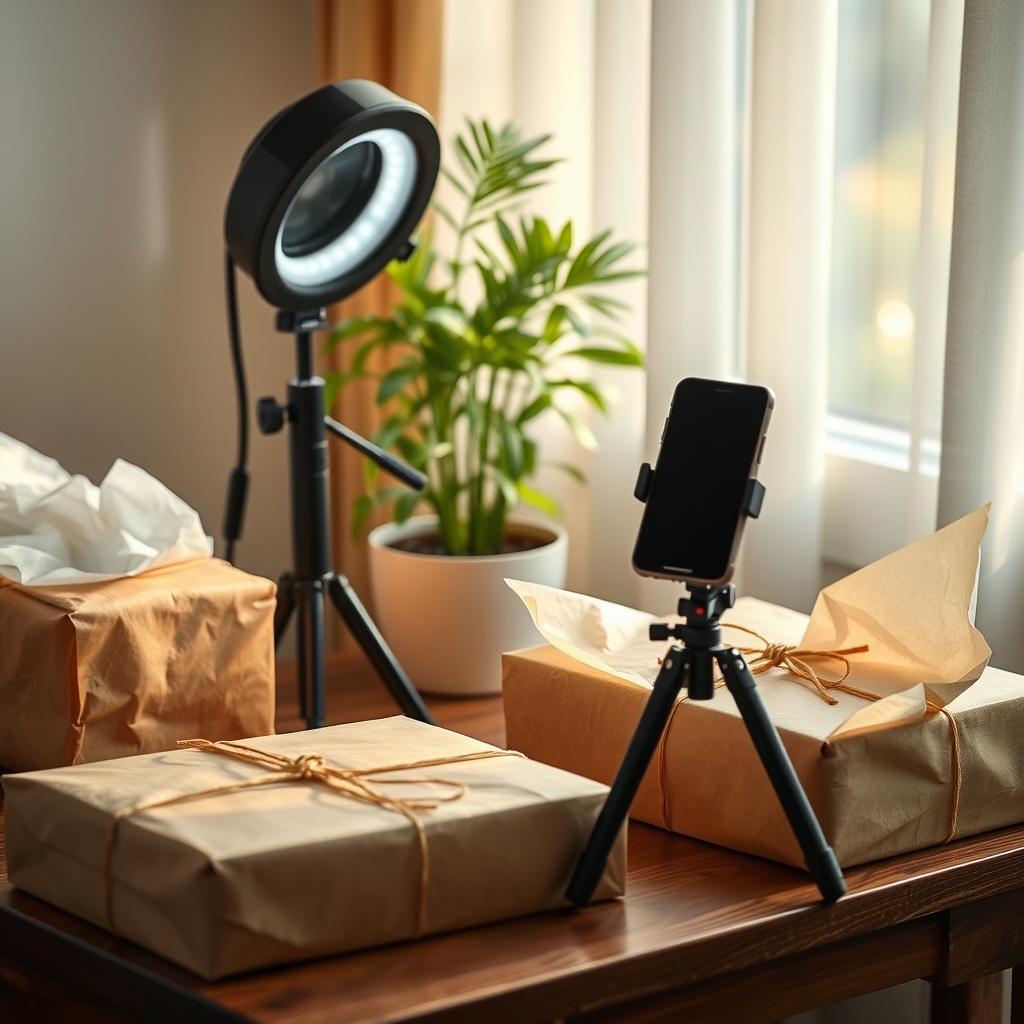
Facebook live selling Thai products has become one of the easiest ways to start a small negosyo in the Philippines — low setup cost, instant feedback, and buyers who are already curious about Thai beauty and snacks. The hard part is not going live. It is everything around it: sourcing, pricing, paperwork and fulfilment. This guide walks through all of it in the order a new seller actually meets it.
Why Facebook live selling Thai products works so well
Live selling solves the main problem with imported goods: people cannot smell, hold or test them. A ten-second on-camera swatch of a Thai facial skincare product does more work than twenty photos, and the comment section answers objections in real time instead of over three days of chat replies.
There is a second reason that matters for negosyo math. Live selling moves inventory in batches. Instead of waiting for single orders to trickle in, you clear stock in one session, which keeps your puhunan cycling instead of sitting in boxes under the bed.
Thai goods suit the format particularly well. The categories that move — balms and inhalers, sunscreens, soaps, body care, snacks — are visual, demonstrable, affordable per piece, and familiar enough from travel and social media that you are not educating from zero.
What live selling does not fix: a weak supplier, products without proper registration, and no system for recording orders. Those problems get bigger on live, not smaller, because everything happens fast and in public.
So treat the live as the sales channel, not the business. The business is sourcing, compliance, pricing and fulfilment. Get those four steady first, and the camera becomes just the place where the selling happens.
Settle these three things before your first session
Stock. Decide what you will actually sell on camera and have it physically in front of you. Going live with items you do not hold yet is how resellers end up refunding. Start with a short list — five to eight items you can demonstrate well — rather than your whole assortment.
Pricing. Build your price from landed cost, never from the Bangkok shelf price. Landed cost means the product cost plus your share of freight, plus customs charges and broker fees, plus inbound handling, plus packaging. Then subtract the platform or payment fees, the share of items that get returned or damaged, and any shipping you plan to absorb. Whatever is left is your kita, and it has to survive a slow night, not just a good one.
Legal. This is the part new sellers postpone and should not. Cosmetics, supplements and food sold in the Philippines fall under FDA regulation, and a product needs the correct authorization before it is offered for sale — live selling counts as offering for sale. Your business also needs registration with DTI or SEC and with BIR. Requirements change over time, so confirm the current ones with the agencies themselves rather than with a group chat.
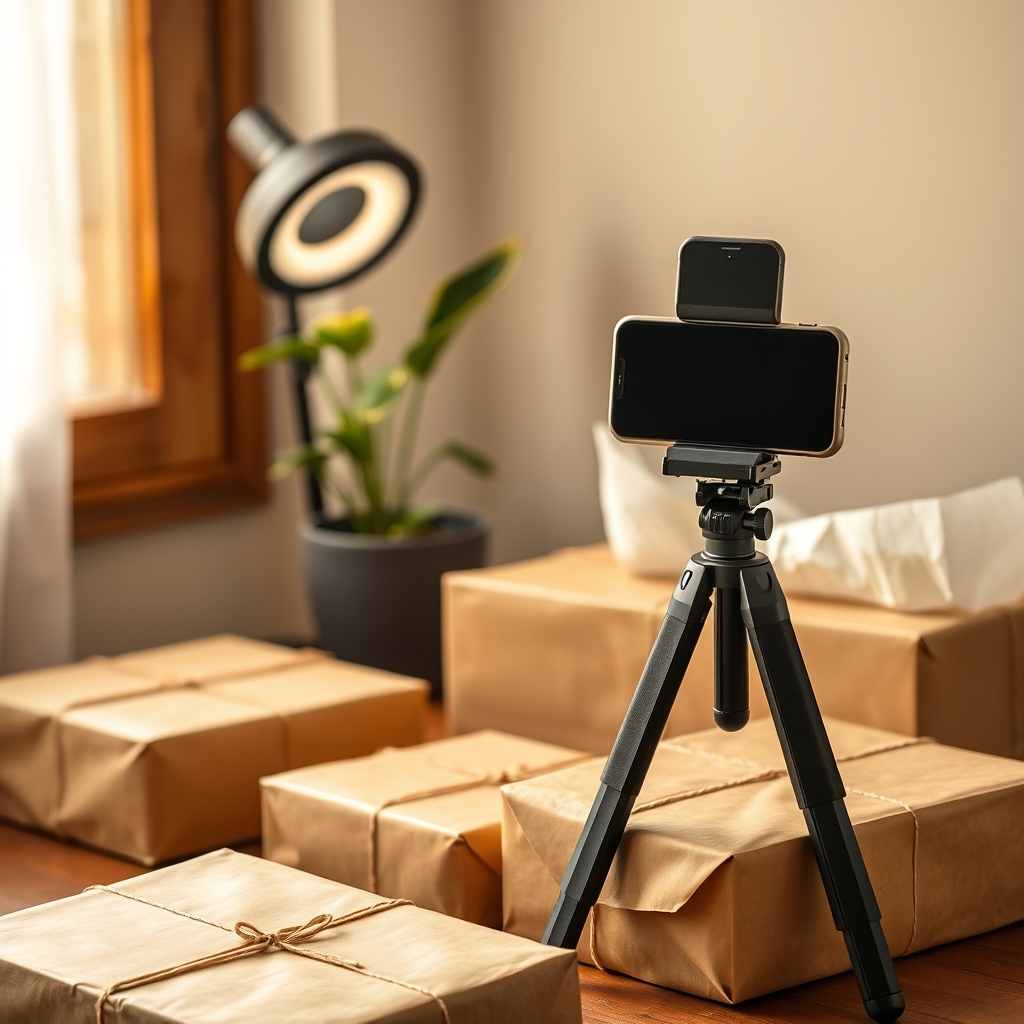
Your setup: phone, light, sound, table
You do not need studio gear. You need to be seen, heard and understood.
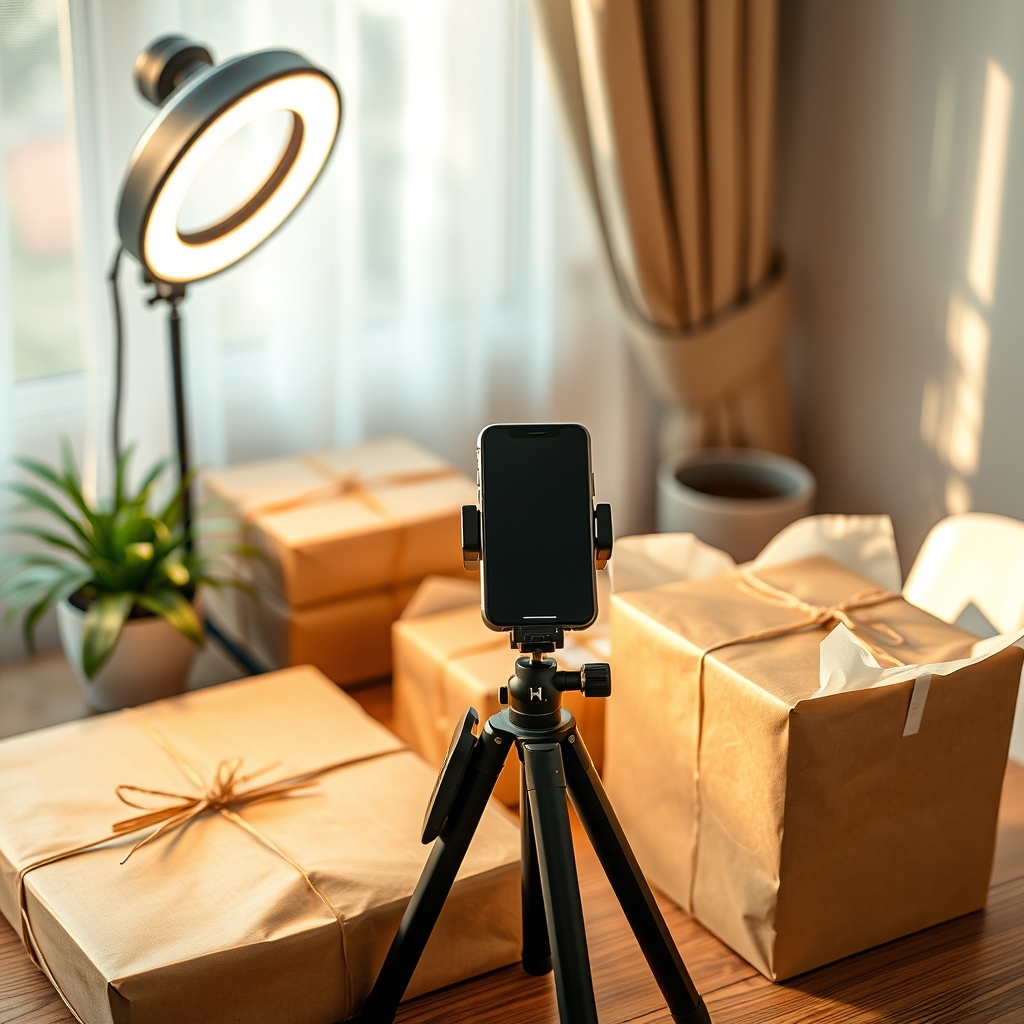
Camera: a recent phone is enough. Mount it on a tripod at chest height so both hands are free to hold products. Shaky handheld video is the fastest way to lose viewers in the first minute.
Light: one soft light in front of you, not behind. A ring light works, and so does sitting facing a window during the day. Backlighting turns you into a silhouette and makes product colours unreliable, which matters a lot when someone is choosing a shade.
Sound: the part people skip and the one viewers notice most. Use a clip-on mic if your room echoes, and stream from the quietest room you have.
Internet: run a speed test at your usual live time, not at midnight. Upload speed matters more than download. If the connection is unstable, lower the stream quality rather than risk dropping mid-sale.
Table: a plain backdrop, products grouped by category, and a visible price card. Keep an order sheet beside you. Prepare the products physically before you start — caps loosened, testers ready, Thai snacks opened for tasting shots — so you are never fumbling on camera while people wait.
A live format you can repeat every week
A session needs a shape. This one works for small sellers and is easy to repeat.
Treat the first fifteen minutes as warm-up. Greet people by name, say what you are selling tonight, and show one hero item without pricing it yet. Viewers arrive gradually, so your strongest items should not go first.
Then run blocks of twenty to thirty minutes per category. In each block: demonstrate, state the price clearly, describe the product using the wording on the approved label, and give one specific instruction such as comment MINE plus the item number. Ambiguous instructions create disputes later.
Repeat the key information every ten minutes. Most viewers join mid-stream and will never scroll back. Price, how to order, how to pay, how shipping works — all four, every block.
Close with a last-call block and a clear cut-off for payment, then announce your next session date before you end.
Two discipline points. Never claim a cosmetic treats a medical condition, however a customer phrases the question; stay inside what the label says. And resist discounting under pressure — if you must sweeten a deal, bundle instead of cutting the unit price, so your pricing stays credible next week.
Orders, payment and shipping without the chaos
The chaos in live selling almost always happens after the stream, not during it.
Capture orders in one place. A simple spreadsheet or form with name, item, quantity, price, address and payment status beats scrolling comments at midnight. If you have a helper, their only job during the live is to type orders in as they appear.
Set a payment window and say it on air. Unpaid reservations are the biggest single source of dead stock for live sellers: the item is held, the next buyer is gone, and the original claimer disappears. Keep a short list of people who claim and never pay, and stop reserving for them.
For shipping, pick two couriers and learn their rules properly. Decide early whether you offer cash on delivery, and if you do, budget for parcels that come back. Weigh and measure your common box sizes once, then quote from a table instead of guessing per order.
Pack with a slip inside and photograph every parcel before sealing. It takes seconds and settles almost every dispute. If you also sell on Shopee or Lazada, keep one stock list across all channels — selling the same unit twice is a reputation problem you cannot buy back.
Mistakes to avoid, and what comes after
The mistakes that quietly end a live-selling negosyo:
- Pricing from the Bangkok shelf price instead of landed cost, so every sale loses a little.
- Selling items that are not properly registered, which puts both the account and the business at risk.
- Reserving stock with no payment deadline.
- Buying wide instead of deep: fifty items with two pieces each looks impressive on camera and is a nightmare to restock.
- Relying on one supplier with no backup, then going dark for weeks when they run out.
- Never recording what actually sold, so next month's buying is based on feelings.
On growth: once you know your five best movers, the real question becomes supply. Some sellers move from buying at Bangkok markets to buying from an official distributor or exporter so packing and documents stay consistent — you can look through a Thai products catalog from a distributor such as ThaiNex (thainex.com) to compare, or request a quote from more than one source before committing. Others reach the point where the natural next move is to start your own skincare brand under a private label, once a category has proved itself again and again.
Neither step is urgent. Both make sense only after you have real sell-through data from your own sessions.
Need expert support?
Leave your details and our team will get back to you.
FAQ
Frequently asked questions
Do I need FDA registration to sell Thai cosmetics on live?
The product itself needs the correct FDA Philippines authorization before it is offered for sale, and live selling counts as offering for sale. Depending on your role in the supply chain you may also need your own licence to operate. Requirements change, so confirm your specific situation with the FDA or a licensed consultant before going live.
How much stock should I start with?
Less than you think, and deeper per item. Five to eight products with enough pieces to sell through one or two sessions beats a wide assortment with two pieces each. Depth lets you repeat the demo next week, build suki for a specific item, and reorder based on real data instead of guesses.
Is cash on delivery worth offering?
It raises conversion among new buyers who do not trust an unknown seller yet, and it raises your return rate at the same time. If you offer it, cap it by order value, confirm the address by message before shipping, and budget for parcels that come back. Many sellers offer COD only to repeat buyers.
What if nobody watches my first live?
That is normal, and early sessions are practice. Go live on the same day and time each week so people can expect you, post a short clip beforehand, and keep going even with few viewers because the recording still sells afterwards. Judge the channel after a month of consistency, not after one quiet night.
Prepared by the Negosyo Thai team for informational purposes. Some links may lead to referred partners.
Articles
Related articles
How to Resell Thai Products from Home (A Simple Guide for Filipino Sellers)
Gusto mo bang magsimula ng negosyo pero limited lang ang puhunan at wala kang space for a store? Marami nang kababayan natin ang nag-start ng negosyo sa bahay lang, selling Thai pr

How to Check if a Thai Supplier Is Legit: A Reseller Checklist
Before you send any puhunan, learn how to check if a Thai supplier is legit. Most losses happen in the first conversation, not in
Thai Snacks Bestsellers in the Philippines: A Reseller's Buying Guide
If you've scrolled Shopee, Lazada, or TikTok Shop lately, chances are you've seen Thai snacks popping up in haul videos and best-seller lists. From crispy seaweed chips to milk tea